- Call: (02836) 260403, 260404
- Mail: src@sindhu-src.org
- Adipur - Kachchh, Gujarat - 370205

Our History
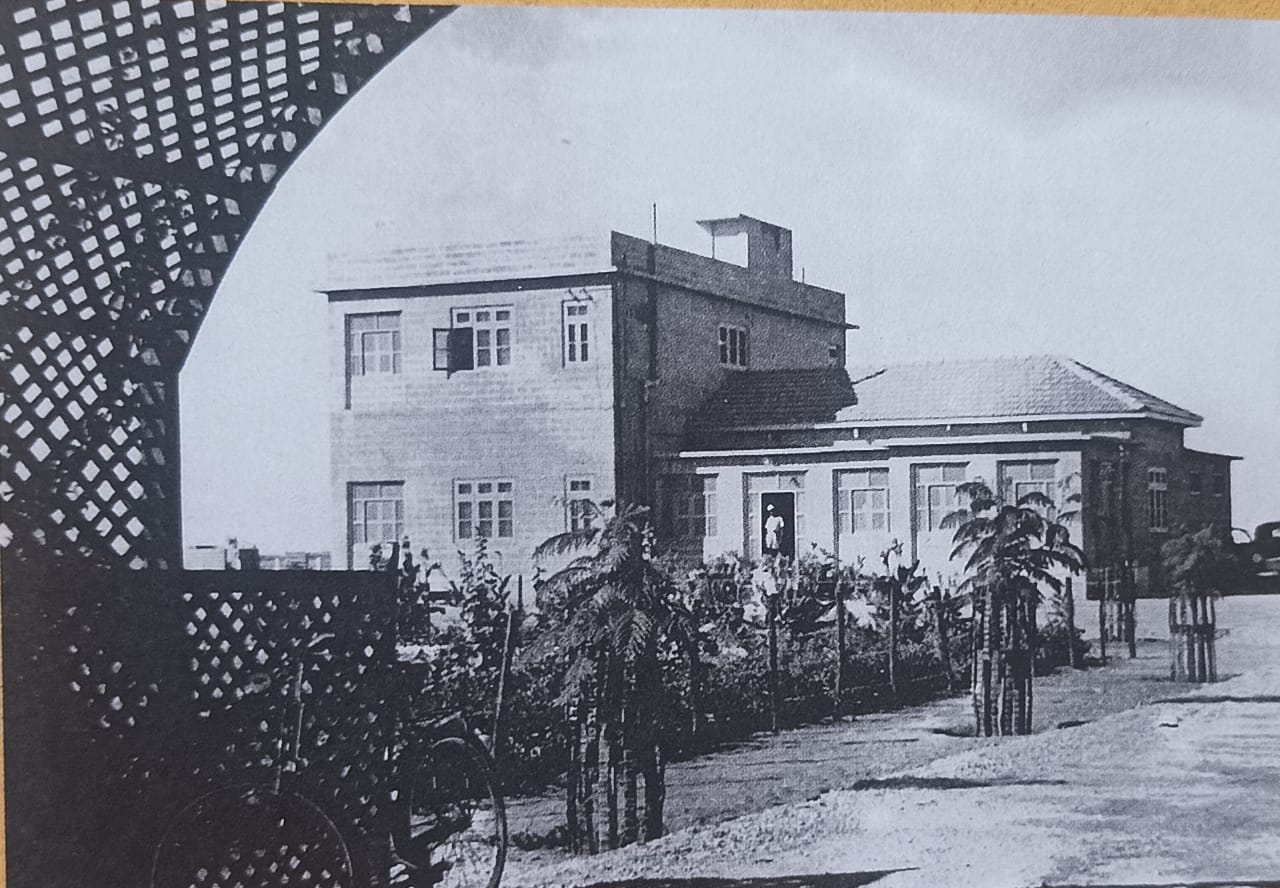

The Legacy of Gandhidham-Adipur
The story of Gandhidham-Adipur is a testament to the indomitable spirit of human resilience. Following the partition of India in 1947, millions were displaced, arriving with little more than their loyalty to a new nation. Amidst this crisis, the twin townships of Gandhidham and Adipur emerged in the eastern Kutch District of Gujarat—joining the ranks of Chandigarh and Gandhinagar as the three pioneering planned townships of post-independence India.

Bhai Pratap Dialdas (1908–1967)
The foundation of this sanctuary was laid by Bhai Pratap Dialdas. A freedom fighter from Sindh, a cultured businessman, and a close associate of stalwarts like Pandit Jawaharlal Nehru and Sardar Vallabhbhai Patel, Bhai Pratap sought a permanent home for the displaced Sindhi community.
Guided by Mahatma Gandhi, who suggested Kutch for its climatic and cultural similarities to Sindh, Bhai Pratap approached the Maharao of Kutch. In a grand gesture of statesmanship, the Maharao initially allotted 15,000 acres (later adjusted to 2,600 acres following the development of the Kandla Port) for the resettlement project.
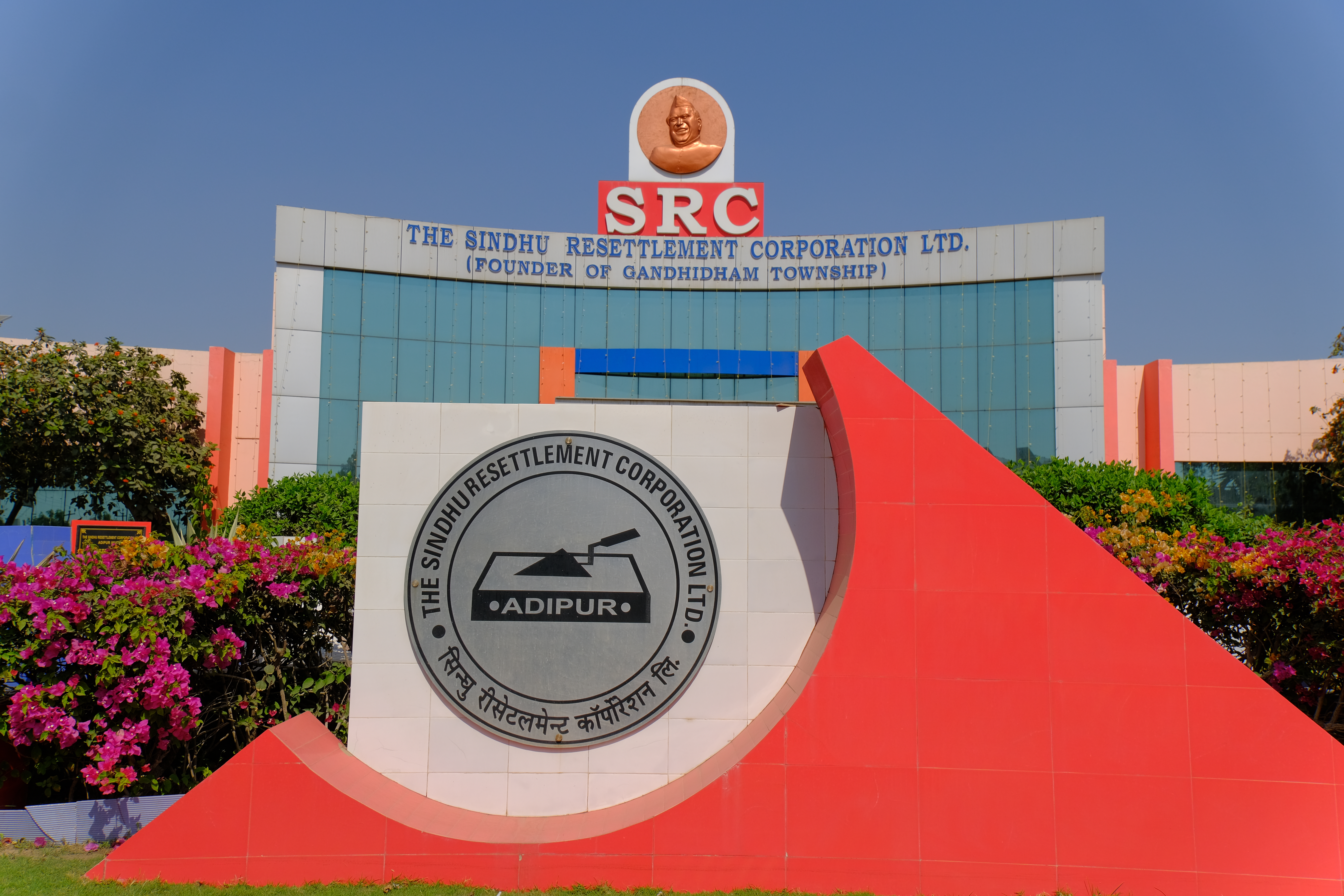
The Birth of The SRC Ltd.
In 1948, The Sindhu Resettlement Corporation Ltd. was established to spearhead the development of the township. Led by Bhai Pratap as the first Managing Director and chaired by Acharya Kripalani, the SRC was governed by a spirit of cooperative enterprise.

All proceeds from land sales were (and are) reinvested into the welfare and development of the town.

The Cooperative Spirit
Non-Profit Motive: All proceeds from land sales were (and are) reinvested into the welfare and development of the town.
Inclusive Participation: Open to all, regardless of caste or creed, with shareholding limits to prevent individual monopolies.
Honorary Leadership: The early Directors served without remuneration, driven purely by the mission of rehabilitation.
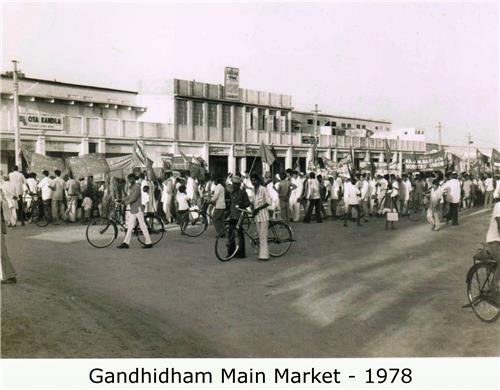
Engineering The Future
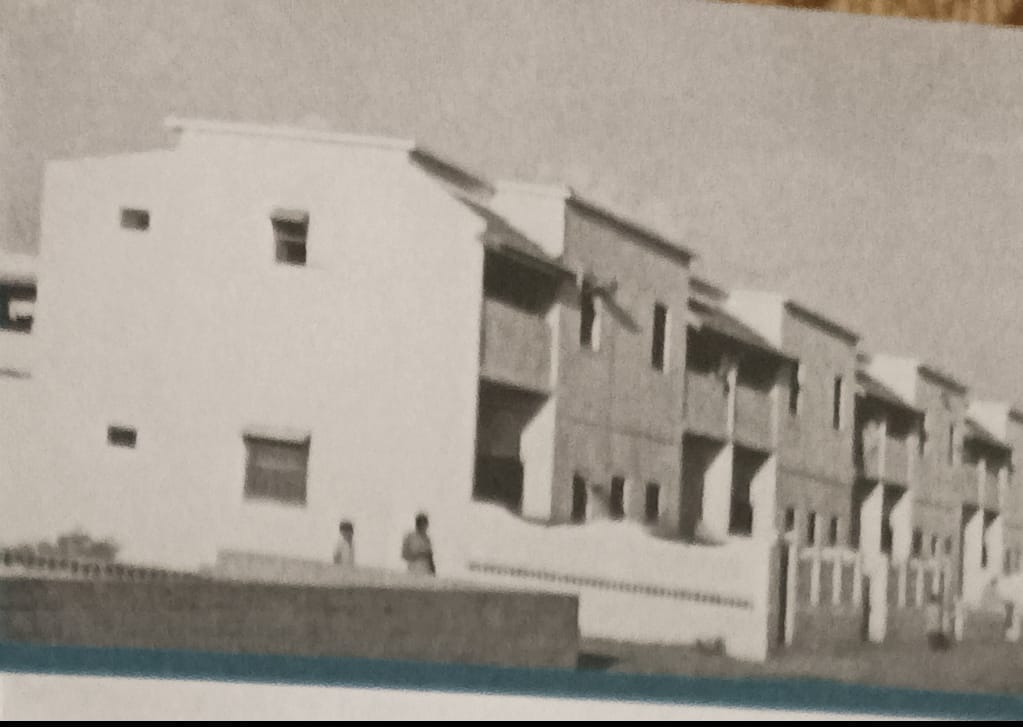
The twin township wasn't just built; it was engineered for the future. The initial concepts were provided by a renowned Italian Town Planner, later refined by Indian experts and approved by an American Town Planning Organization under the Truman Aid Scheme. The town was divided into self-sufficient districts and neighborhood units of 10,000 people, each equipped with its own schools, temples, and dispensaries.

4,000 Homes for New Beginnings
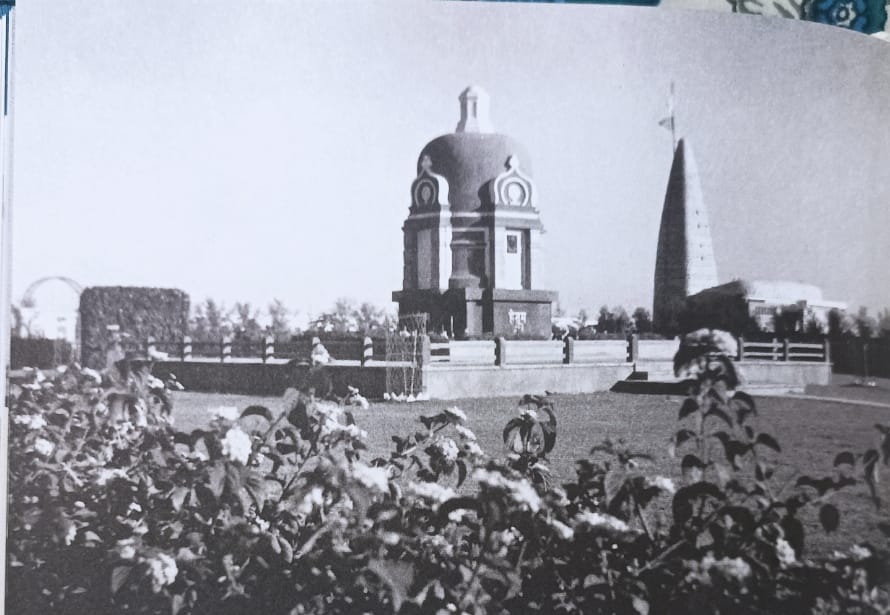
With a loan from the Ministry of Rehabilitation, SRC constructed 4,000 houses, eventually offering them to displaced persons via an affordable 25-year hire-purchase system.
This wasn't just about shelter—it was about dignity, stability, and the foundation for a new life in a new homeland.
Beyond Housing: Creating Livelihoods
To ensure the community could earn a livelihood, SRC established several industrial units including the Hollow Cement Block Factory, R.C.C. Spun and Pole Factory, Wood & Mechanical Workshops, and Agriculture farms. These facilities provided construction materials while training hundreds of refugees as carpenters, mechanics, and drivers, ensuring food security through vegetable, dairy, and poultry farms.

Building a Complete City
SRC acted as the de facto local government before the formation of the Gandhidham Municipality. Its contributions include:
Water & Power: Developed the Shinai Lake, Viri Springs, and the first local power houses.
Civil Landmarks: Built the Gandhidham Railway Station, Tapar Dam, and the Nakti Creek Bridge.
Education & Health: Founded the Maitri Mandal and established the region's first full-fledged hospitals.
Banking: Founded the Gandhidham Co-op. Bank in 1951 to facilitate trade and commerce, which remains a leading institution in Gujarat today.
Where There is a Will, There is a Way
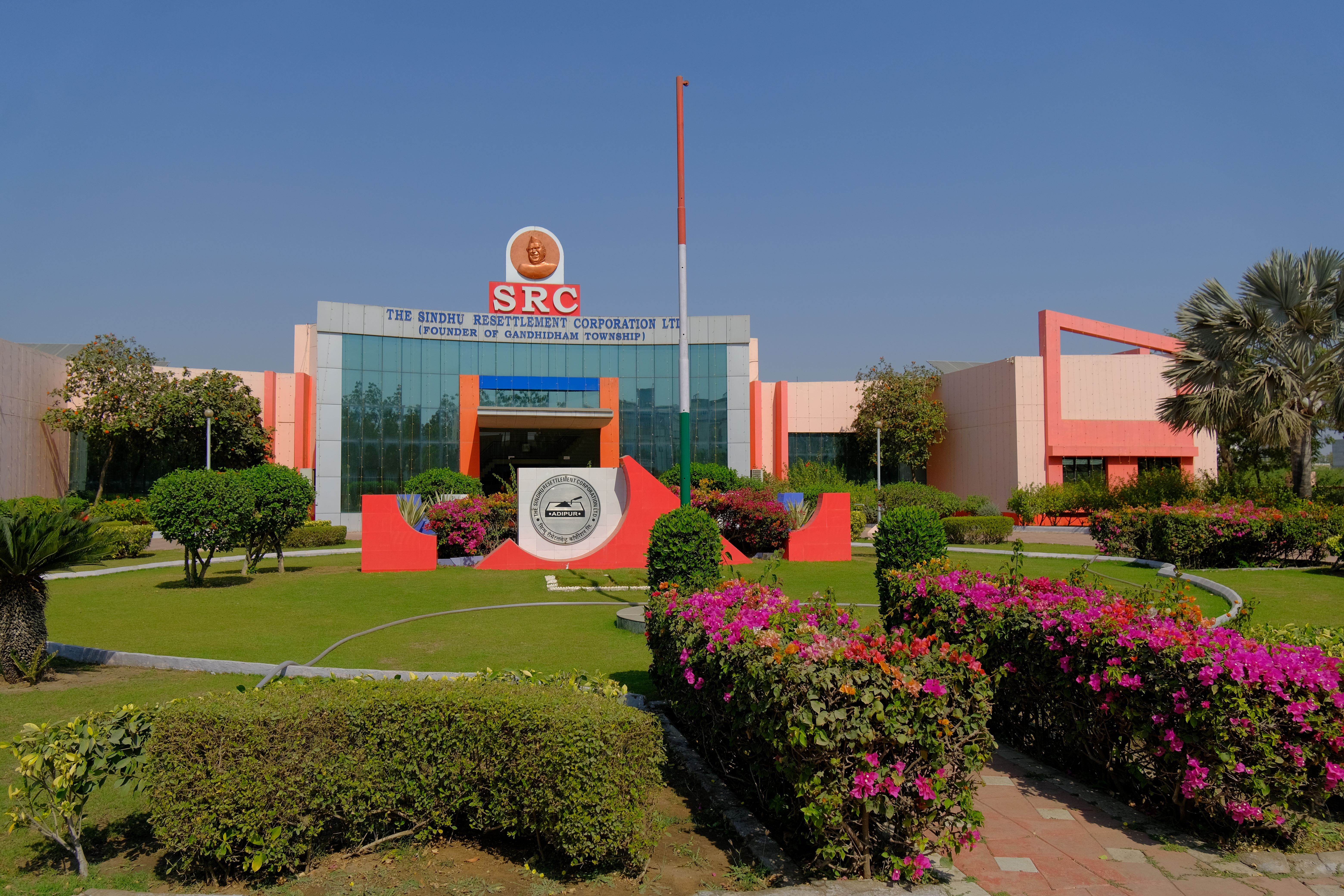
The SRC Ltd. stands as a living monument to selfless service and determination. What began as a humble submission to Mahatma Gandhi has blossomed into a thriving commercial hub and a vibrant cultural center. We remain committed to the selfless service and hard work that defined our founders, continuing to serve as custodians of this remarkable legacy.